

Leading Companies

Flexible Plans

Free Estimates

Leading Companies
Flexible Plans
Free Estimates
How to Obtain Pet Insurance – A Comprehensive Guide!
Pet insurance can help make veterinary care more manageable when your dog or cat gets sick, injured, or needs unexpected treatment. Vet costs can add up quickly, especially when emergency visits, diagnostic testing, surgery, prescriptions, or ongoing treatment are involved. A pet insurance policy may help reimburse eligible expenses, making it easier to focus on your pet’s care instead of only the cost.
Choosing pet insurance should not be based only on the monthly premium. Plans can vary by deductible, reimbursement rate, annual limit, waiting period, exclusions, claim process, dental coverage, wellness add-ons, and customer support. A cheaper plan may look appealing, but it may also come with more out-of-pocket costs when your pet needs care.
The right plan should match your pet’s age, breed, health history, lifestyle, and your budget. Some pets may need broad accident and illness coverage, while others may only need basic protection for unexpected injuries. Comparing multiple providers side by side can help you understand which plan offers the best balance of coverage, cost, and flexibility.
What Is Pet Insurance?
In simple terms, pet insurance helps cover eligible veterinary expenses in case of injury or illness. Depending on the policy, it may help pay for exams, diagnostic tests, treatments, surgery, prescriptions, hospitalization, emergency visits, and specialist care.
Most pet insurance plans work through reimbursement. This means you usually pay the veterinarian first, submit a claim to the insurance provider, and receive reimbursement for eligible costs based on your policy terms. The amount you receive depends on your deductible, reimbursement percentage, coverage limits, and exclusions.
Some plans may also include additional benefits. These may include reimbursement for advertising if your pet goes missing, certain end-of-life costs, boarding fees if you are hospitalized, or third-party liability protection in limited situations. These benefits vary by provider, so it is important to review the policy carefully.


Why Is Pet Insurance Important?
Pet insurance is important because pets can become sick or injured at any age. A young pet may swallow something dangerous, break a bone, or need emergency treatment. An older pet may develop chronic conditions that require long-term care, medication, and follow-up visits.
Many pet owners delay getting coverage because their pet seems healthy. However, most pet insurance plans do not cover pre-existing conditions. If your pet develops symptoms or receives treatment before the policy begins, that condition may be excluded from future coverage.
Getting coverage early may help protect your pet before unexpected health issues appear. It can also give you more confidence when making care decisions, especially if your pet needs urgent treatment. Still, every policy has rules, so it is important to understand what is covered before enrolling.
What Should Your Pet Insurance Cover?
A strong pet insurance policy should match the type of care your pet is most likely to need. Some plans focus on accidents only, while others cover both accidents and illnesses. More complete plans may include emergency care, surgery, diagnostics, prescriptions, hereditary conditions, and chronic conditions.
Common coverage areas to review include:
- Accidents and injuries
- Illnesses
- Emergency care
- Diagnostic testing
- Surgery
- Hospitalization
- Prescription medications
- Specialist care
- Chronic conditions
- Hereditary and congenital conditions
- Dental illness or injury
- Alternative or rehabilitative care
- Wellness or preventive care add-ons
Not all plans include the same services. Some may exclude exam fees, behavioral care, dental disease, prescription food, or alternative therapy unless you choose a higher plan or add-on.
Dental Care
Dental issues often go unnoticed until they become painful or expensive to treat. Pets may develop gum disease, tooth infections, broken teeth, oral pain, or other dental problems that require veterinary care. Some pet insurance providers may cover dental illness or dental injury, while others may limit dental benefits.
Routine dental cleanings are usually considered preventive care. They may only be covered through a wellness add-on, if available. Dental accidents, such as a broken tooth caused by an injury, may be handled differently from dental disease.
If dental coverage matters to you, review the policy closely. Check whether it covers dental illness, dental accidents, tooth extractions, anesthesia, and routine cleanings. This can help you avoid surprises when your pet needs oral care.
Missing Pet Coverage
Pets going missing is a common concern. Some pet insurance providers may offer reimbursement for advertising costs or reward expenses if your pet is lost. This can help with printing flyers, posting notices, or promoting search efforts.
This benefit is not included in every policy. If it is important to you, review the benefit limit, eligible expenses, and documentation requirements. Some providers may require receipts or proof that the advertising expense was related to finding your pet.
Even with insurance, prevention is still important. Microchipping, updated ID tags, secure collars, safe carriers, and current contact details can improve the chances of finding a missing pet quickly.
Accidental Death or Illness
In the unfortunate event that your pet passes away because of a covered accident or illness, some policies may offer limited reimbursement. This may include part of the pet’s purchase or adoption value, depending on the plan. However, not all providers include this type of benefit.
This is a sensitive topic, but it is worth reviewing before choosing a policy. If accidental death or illness benefits are available, check what events are covered, what exclusions apply, and what documentation may be required.
For most pet owners, the more important coverage is treatment before that point. Emergency care, diagnostics, hospitalization, medication, and surgery coverage may help your pet receive care when it matters most.
Third-Party Liability Coverage
Third-party liability coverage may help if your pet causes injury or property damage to someone else, depending on the policy. For example, if your dog accidentally damages another person’s property, some plans may provide limited protection.
However, liability coverage is not standard in every pet insurance policy. Some home or rental insurance policies may address certain pet-related liability issues instead. If this protection matters to you, compare your pet insurance policy with any other coverage you may already have.
Be sure to review exclusions. Some policies may exclude certain breeds, behavior history, business use, or incidents that happen outside specific situations.
Accident-Only vs. Accident and Illness Plans
Accident-only plans usually cover injuries caused by unexpected events. This may include broken bones, bite wounds, cuts, swallowed objects, or certain emergency injuries. These plans may cost less, but they usually do not cover sickness.
Accident and illness plans are broader. They may cover infections, digestive problems, allergies, cancer, chronic conditions, diagnostic testing, surgery, prescriptions, and more, depending on the provider.
For many pet owners, accident and illness coverage offers more complete protection. However, if cost is the main concern, an accident-only plan may still provide some help with sudden injury-related expenses.
Wellness Add-Ons and Routine Care
Wellness coverage is usually separate from accident and illness insurance. It may help with routine care such as vaccines, annual exams, flea and tick prevention, heartworm testing, dental cleanings, or preventive screenings.
A wellness add-on may be helpful if you want to spread routine care costs throughout the year. However, it may not always save money. Compare the cost of the add-on with the value of the services you expect to use.
If your main concern is unexpected illness, surgery, or emergency care, accident and illness coverage may be more important than wellness coverage.
How to Compare Pet Insurance Companies
When comparing pet insurance companies, look beyond the headline price. The lowest monthly premium may come with a higher deductible, lower reimbursement rate, lower annual limit, longer waiting period, or more exclusions.
Important factors to compare include:
- Monthly premium
- Deductible
- Reimbursement percentage
- Annual coverage limit
- Waiting periods
- Pre-existing condition rules
- Exam fee coverage
- Dental coverage
- Prescription medication coverage
- Hereditary condition coverage
- Wellness add-ons
- Claim process
- Customer support
- Cancellation rules
Try to compare plans using the same pet details and coverage settings. This makes it easier to see which provider offers better value for your needs.
Deductibles, Reimbursement, and Coverage Limits
Pet insurance costs are usually shaped by three main features: deductible, reimbursement rate, and coverage limit. The deductible is the amount you pay before reimbursement begins. The reimbursement rate is the percentage the provider pays for eligible expenses after the deductible. The coverage limit is the maximum amount the policy may pay.
A higher deductible may lower your monthly premium, but it can increase your out-of-pocket cost when your pet needs care. A higher reimbursement rate may cost more each month, but it may reduce what you pay after a claim.
Some plans have annual limits, while others may offer unlimited annual coverage. If you want protection for major emergencies, specialist care, or long-term conditions, review the limit carefully.
Pre-Existing Conditions and Waiting Periods
Pre-existing conditions are one of the most important parts of pet insurance. Most providers do not cover conditions that began before the policy started or during the waiting period. A condition may be considered pre-existing if your pet showed symptoms, received treatment, or had a diagnosis before coverage became active.
Waiting periods are also common. A policy may have one waiting period for accidents, another for illnesses, and another for orthopedic or specialty conditions. During the waiting period, related claims may not be covered.
Before enrolling, review how each provider defines pre-existing conditions. Some may treat curable conditions differently after a symptom-free period, while others may exclude them longer.

Final Thoughts
Pet insurance can help reduce the stress of unexpected veterinary costs, but choosing the right plan takes careful comparison. Each provider may have different coverage options, deductibles, reimbursement rates, exclusions, waiting periods, claim rules, and customer support features.
Before choosing a policy, think about your pet’s age, breed, health history, and likely care needs. Review whether the plan covers accidents, illnesses, dental care, prescriptions, emergency treatment, hereditary conditions, and wellness care if needed.
The best pet insurance plan is the one that fits your pet, your budget, and your expectations. By comparing options carefully, pet owners can choose coverage that supports better care while helping manage future veterinary expenses.
Frequently Asked Questions
Pet insurance is worth it for most owners as it provides a financial safety net against large, unexpected veterinary bills. It allows you to make critical care decisions based on your pet’s needs rather than cost, ensuring they receive the best possible treatment during an emergency or serious illness.
Most pet insurance plans cover unexpected accidents and illnesses, including diagnostics, surgeries, prescription medications, and emergency hospital stays. This can range from treating broken bones and poisonings to managing chronic conditions like diabetes or cancer. Routine wellness care is typically excluded unless you purchase a separate add-on plan.
No, standard pet insurance policies do not cover pre-existing conditions, which are health issues your pet showed signs of before your policy’s start date. This is why enrolling your pet while they are young and healthy is highly recommended to ensure maximum coverage for future, unforeseen problems.
The average monthly premium for pet insurance typically ranges from $30-$50 for a dog and $15-$30 for a cat. Your final cost will depend on factors like your pet’s age, breed, and location, as well as the deductible, reimbursement percentage, and annual limit you choose for your plan.
Yes, you can visit any licensed veterinarian, specialist, or emergency clinic in the country with nearly all pet insurance plans. Unlike human health insurance, there are no provider networks. You pay your veterinarian directly for services and then submit the invoice to your insurance company for reimbursement.
A waiting period is the mandatory time that must pass after you enroll before your coverage becomes active for a specific condition. This prevents fraud by ensuring pets aren’t signed up only after they’re already sick. Waiting periods typically vary for accidents, illnesses, and orthopedic issues like hip dysplasia.
Standard accident and illness policies do not cover routine care like annual checkups, vaccinations, or flea and tick prevention. However, many insurers offer optional wellness plans that can be added to your policy to help you budget for these predictable preventative health expenses throughout the year.
Must Reads
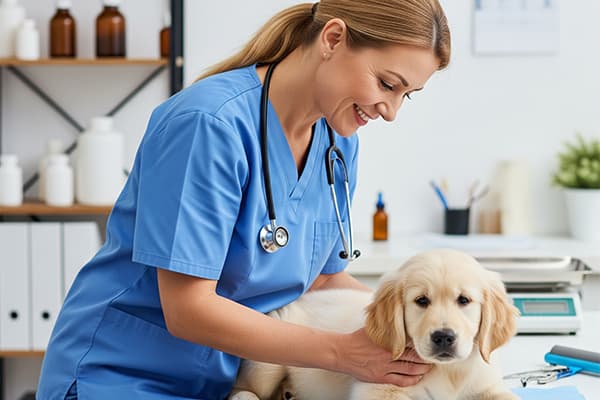
Finding The Best Insurance Plan For Your Dogs

Affordable plans aren’t always the best for your pet. When choosing pet insurance, consider coverage options, limits, deductibles, reimbursement levels, breed-specific costs, and reputable providers, while balancing long-term affordability and comprehensive care. Comparing plans and seeking discounts can also help you find the best fit for your furry friend.